
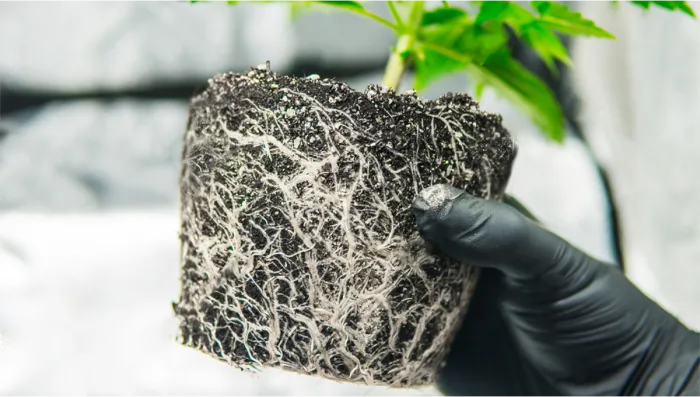
Cannabis Roots, from the first uses of the plant until now the forgotten part of the plant
Cannabis roots have a rich history of medicinal use, dating back thousands of years. The earliest recorded mention of cannabis roots is attributed to Pliny the Elder, a Roman historian, who wrote about their use in treating gout and similar maladies. In the 17th century, various physicians and herbalists recommended cannabis root to treat fever, inflammation, gout, arthritis, and joint pain.
Traditional Medicinal Uses
Cannabis roots have been used to treat a range of ailments, including:
Postpartum hemorrhage
Toxins and infections
Vermin
Skin burns
Hard tumors
Gastrointestinal activity and infection
Sexually transmitted diseases
The roots were often prepared by juicing or decoction, and administered orally or intrarectally.
Modern Research and Potential Benefits
While cannabis roots have been largely overlooked in modern medical research, recent studies have highlighted their potential benefits. The roots contain compounds that may be of medicinal value, including:
Alkaloids, which have anti-inflammatory and pain-relieving properties
Terpenes, which have antibacterial and antifungal properties
Antioxidants, which may protect against liver damage
Current Uses and Future Potential
Despite their potential benefits, cannabis roots are often discarded by growers and ignored by the medical community. However, there is growing interest in their use, particularly in the context of medicinal cannabis. Further research is needed to fully understand the potential benefits and uses of cannabis roots.
Conclusion
Cannabis roots are a forgotten part of the plant, with a rich history of traditional medicinal use and potential benefits for modern medicine. As the medical community continues to explore the therapeutic potential of cannabis, it is essential to consider the role of the roots in the plant’s overall medicinal profile.